Home / Beekeeping for Beginners
The Role of Biology in Understanding Human Health and Disease
Author: William Taylor
Publication date: July 7, 2026
Biology plays a fundamental role in decoding the complexities of human health and disease, providing essential insights that inform prevention, diagnosis, and treatment strategies. Understanding biological principles is key for anyone looking to make informed health decisions or engage in healthcare fields.
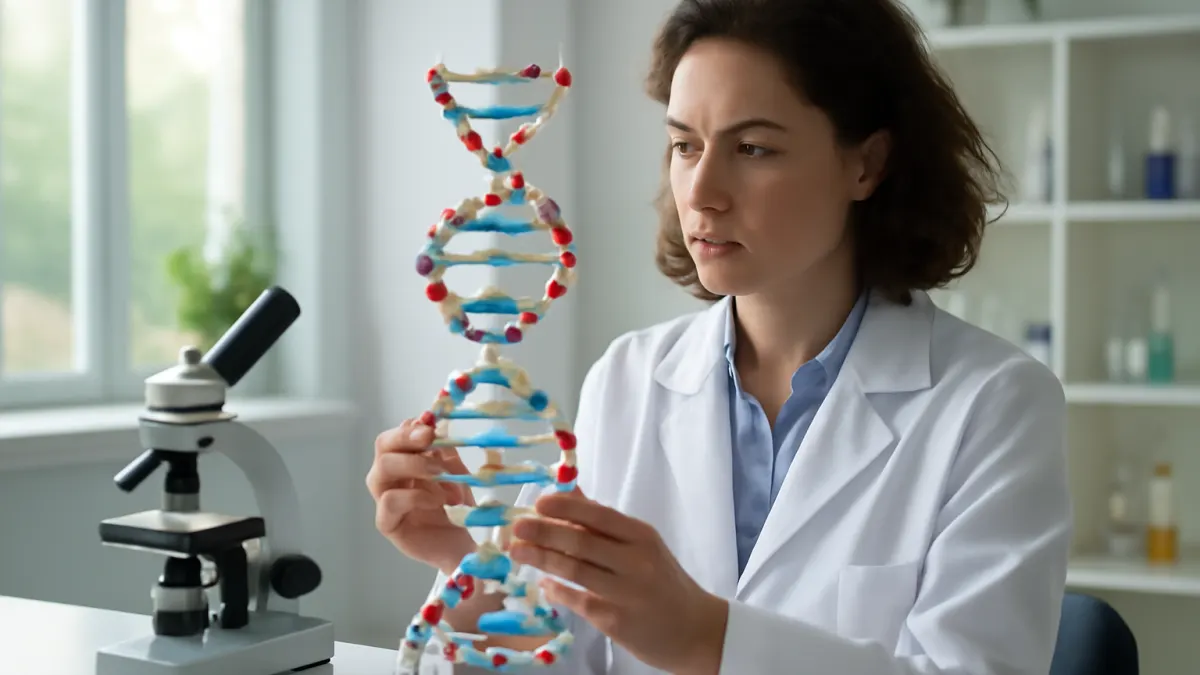
What Is Biology and Why It Matters in Health
Biology, the study of living organisms and their vital processes, underpins our grasp of human health. It encompasses everything from cellular functions to the interactions of complex organ systems. This scientific discipline helps explain how our bodies work, why diseases develop, and how interventions can restore or improve health.
How Biology Informs Understanding of Disease
Diseases often result from disruptions in normal biological processes. For instance, genetic mutations can lead to inherited disorders, infections arise from pathogens invading biological systems, and lifestyle factors affect metabolic pathways. By studying biology, researchers identify the root causes of illness, paving the way for targeted therapies.
Examples of Biological Insights in Medicine
- Genetics: The discovery of DNA's role has revolutionized diagnostics and personalized medicine by enabling prediction and prevention of hereditary conditions.
- Immunology: Understanding immune system biology has led to vaccines and immunotherapies that effectively combat infectious diseases and certain cancers.
- Microbiology: Identifying bacteria and viruses responsible for diseases helps in creating antibiotics and antiviral medications.
Who Benefits from Biology in Healthcare?
Every individual benefits indirectly or directly from biological research. Healthcare professionals rely on biological knowledge to diagnose conditions accurately and choose appropriate treatments. Patients gain from advances in medicine rooted in biology. Additionally, policymakers use biological data to craft public health strategies and manage disease outbreaks.
Applying Biological Knowledge in Daily Life
Knowledge of biology also empowers people to make lifestyle choices that support well-being:
- Nutrition: Understanding metabolism helps in planning balanced diets.
- Exercise: Insights into muscle and cardiovascular biology inform effective fitness routines.
- Prevention: Awareness of how pathogens spread encourages hygiene habits reducing illness risk.
Deciding When to Seek Professional Help
While self-education in biology aids general wellness, recognizing symptoms that require medical attention is crucial. Persistent pain, unexplained weight changes, or sudden weakness are examples signaling the need for professional evaluation, where biological knowledge guides an accurate diagnosis.
Looking Ahead: The Evolving Role of Biology
As biological research progresses, it continues to unlock new potentials in health care, including gene editing and regenerative medicine. Staying informed about these developments helps individuals and communities better prepare for emerging health opportunities and challenges.
Tags
Article rating
This article has no ratings yet.
No published comments yet.